
Answering Your Frequently Asked Questions
We've collated some frequently asked questions for you. If you have any other questions which are not answered below, or would like more information please email the team - info@hansonwade.com.
Event Fundamentals
The TRP Target Selection & Drug Design Summit is an industry-dedicated discovery and preclinical meeting focused solely on radiopharmaceutical target selection and drug design.
The 3rd Annual Summit takes place February 23-25, 2027, in Boston, Massachusetts. It brings together scientists and decision-makers working across target discovery, biology, medicinal chemistry, radiochemistry, radiobiology, ADME/DMPK, toxicology, dosimetry, molecular imaging and preclinical development.
The meeting is designed to help radiopharmaceutical developers identify and validate differentiated targets, select appropriate radionuclides, optimize targeting molecules and build stronger preclinical packages before progressing candidates toward the clinic.
View the full event guide to explore the workshops, presentations, roundtables and scientific discussions.
Attend the TRP Target Selection & Drug Design Summit to benchmark the scientific decisions that determine whether an early radiopharmaceutical candidate should be optimized, progressed or discontinued.
Across three days, attendees will explore emerging targets, cross-modality target validation, kinetic imaging, targeting molecule selection, radionuclide selection, biodistribution, radiobiology, dosimetry, non-clinical safety and regulatory expectations.
The agenda is designed to provide transferable scientific insights rather than general company or pipeline updates. Attendees can compare different development strategies, learn from preclinical and translational case studies and discuss unresolved challenges with specialists working across the radiopharmaceutical field.
The Summit is designed for scientists, drug developers and industry leaders involved in the discovery and preclinical development of targeted radiopharmaceuticals.
It is particularly relevant for professionals working in:
- Target discovery and validation
- Discovery biology and oncology biology
- Medicinal chemistry and radiochemistry
- Radiobiology
- Molecular imaging
- ADME, DMPK and pharmacokinetics
- Toxicology and non-clinical safety
- Biodistribution and dosimetry
- Translational science
- Preclinical development
- Research and development
- Business development and corporate strategy
The meeting is suitable for pharmaceutical companies, biotechnology companies, academic research groups and specialist organizations supporting radiopharmaceutical discovery and preclinical development.
The TRP Target Selection & Drug Design Summit is focused specifically on the earliest stages of radiopharmaceutical development.
Broader radiopharmaceutical meetings may cover the complete development pathway, including manufacturing, supply chains, clinical delivery and commercialization. This Summit concentrates on the scientific decisions that shape a candidate before it enters clinical development.
The agenda examines how developers can select biologically relevant targets, match targets with appropriate targeting molecules and radionuclides, optimize biodistribution, assess radiobiological response and build evidence packages that support confident progression toward the clinic.
Attendees will learn how radiopharmaceutical developers are:
- Identifying targets beyond established areas such as PSMA and SSTR2
- Using data from ADCs, RDCs, T-cell engagers and other targeted therapies
- Assessing target expression, accessibility, internalization and replenishment
- Applying PET, SPECT and computational biology to characterize emerging targets
- Matching targets, targeting molecules and radionuclides
- Comparing alpha- and beta-emitting radionuclides
- Improving tumor uptake, retention and biodistribution
- Building more predictive preclinical models
- Integrating radiobiology, dosimetry and pharmacokinetics
- Developing fit-for-purpose toxicology and non-clinical safety packages
- Preparing radiopharmaceutical candidates for clinical translation
The program combines scientific case studies with workshops, roundtables and discussions designed to support practical decision-making.
Key Scientific Considerations
A strong radiopharmaceutical target must support selective and therapeutically meaningful radiation delivery to tumors. Developers need to consider tumor-to-healthy-tissue expression, accessibility, prevalence, internalization, replenishment and heterogeneity, as well as whether the target remains available long enough to achieve sufficient tumor uptake and retention.
Target validation may draw on imaging, laboratory studies, preclinical models and evidence from other targeted modalities, including ADCs, T-cell engagers and companion diagnostics. However, validation in another modality does not guarantee success in radiopharmaceutical development, where biodistribution, normal-tissue exposure and radionuclide properties introduce additional considerations.
Developers must match the target with an appropriate targeting molecule, such as a small molecule, peptide, antibody, antibody fragment or protein scaffold. This choice influences tumor penetration, circulation time, clearance, internalization, retention and healthy-tissue exposure.
Radionuclide selection must then account for radiation type, range, energy, half-life, tumor architecture and the pharmacokinetics of the targeting molecule. Alpha emitters deliver highly concentrated radiation across a shorter distance, while beta emitters travel farther and can create a crossfire effect across neighbouring tumor cells. The most appropriate combination depends on the target, disease setting and intended therapeutic application.
Lorem ipsum dolor sit amet, consectetur adipiscing elit.
Agenda and Scientific Content
The Summit will explore emerging radiopharmaceutical targets, cross-modality target validation, kinetic imaging and the selection of targeting molecules and radionuclides.
Attendees will examine how biodistribution, pharmacokinetics, radiobiology, dosimetry and preclinical models can be used to optimize candidates and support stronger development decisions.
The agenda will also address toxicology, non-clinical safety and regulatory expectations, helping developers build fit-for-purpose evidence packages and progress differentiated radiopharmaceutical candidates toward clinical development.
The pre-conference workshop day takes place on Tuesday, February 23, 2027, and includes two technical workshops.
The first workshop explores how PET, SPECT, total-body PET, digital SPECT, computational biology and multi-omics can be combined to identify and characterize emerging targets.
The second examines how developers can use evidence from antibody-drug conjugates, radionuclide-drug conjugates, immuno-oncology, companion diagnostics and other targeted modalities to identify clinically validated targets with potential for radiopharmaceutical development.
Both workshops are designed to support practical target-selection frameworks and stronger go or no-go decisions.
Yes. Novel and emerging targets are a central focus of the program.
The agenda examines target opportunities involving DLL3, CAIX, mesothelin, LFA-1, extracellular matrix biology and targets within the brain environment. Sessions consider target expression, accessibility, internalization, replenishment, heterogeneity and tumor retention.
The program also explores how developers can move beyond static receptor-density thresholds and determine whether lower-density targets can still support meaningful radionuclide delivery.
Yes. The program examines how kinetic imaging can provide richer information about target engagement, retention, washout, clearance and tumor-to-healthy-tissue biodistribution.
Attendees will explore how PET, SPECT, axial field-of-view technologies, total-body PET, digital SPECT, multi-omics and computational biology can support target identification and characterization.
The goal is to distinguish targets that produce promising images from those with the biological characteristics required to support effective therapy.
Yes. The agenda examines how the range, energy and biological effects of alpha and beta radiation should be matched to tumor biology.
Discussions will consider tumor size, architecture, target density, spatial distribution, radionuclide half-life, dose rate, targeting molecule pharmacokinetics and tumor residence time.
The program also includes examples involving Astatine-211 and broader discussions of alpha-emitting therapies, beta crossfire and combination strategies.
Yes. Dosimetry is a dedicated part of the scientific program.
Sessions compare dosimetry considerations across alpha and beta emitters, examine current measurement limitations and discuss how dosimetry can inform candidate selection, therapeutic window and clinical dose prediction.
The agenda also considers macro- and microdosimetry, heterogeneous radionuclide distribution and the integration of dosimetry with pharmacokinetics and biodistribution.
Yes. The program examines how developers can build non-clinical safety strategies for next-generation radiopharmaceuticals.
Topics include organ-specific risk, dose-limiting toxicities, regional regulatory expectations, target-dependent safety, off-target exposure and the uncertainties that can remain after IND-enabling studies.
Attendees will also explore how tumor-selective targeting and molecular imaging can support safer therapeutic development across different cancer types.
Yes. Regulatory considerations are incorporated into discussions on preclinical development, safety, dosimetry and clinical progression.
A fireside discussion will examine how much preclinical evidence is needed to progress a radiopharmaceutical toward an IND. It will address the balance between toxicology, biodistribution, dosimetry, pharmacology and model selection, as well as the role of early FDA engagement.
The speaker faculty includes a former FDA regulatory specialist who will contribute practical guidance on building appropriate development packages.
Speakers and Community
The speaker faculty includes scientific and industry leaders working across radiopharmaceutical discovery, preclinical development, radiochemistry, radiobiology, toxicology, dosimetry, molecular imaging and regulatory strategy.
Organizations represented include Bayer, AstraZeneca, Molecular Partners, Mariana Oncology, Pfizer, Ratio Therapeutics, Affibody, Harvard Medical School, the University of Pennsylvania, Osaka University, Matrisome Bio, Convergent Therapeutics, Nuclide Therapeutics and United Theranostics.
View the full event guide for the latest speaker information.
The Summit brings together established pharmaceutical companies, specialist radiopharmaceutical biotechnology companies, academic institutions and technology providers supporting early-stage development.
The community includes teams working on target discovery, radiochemistry, molecular imaging, isotope selection, targeting molecule design, biodistribution, dosimetry, pharmacokinetics, radiobiology, toxicology and preclinical translation.
This focused audience allows attendees to compare scientific approaches across different targets, molecular formats, radionuclides, company sizes and stages of development.
Yes. The Summit is highly relevant to biotechnology companies developing radiopharmaceutical assets, targeting technologies or preclinical programs.
Biotechnology attendees can benchmark target-selection strategies, evaluate radionuclide and targeting molecule combinations, discuss preclinical challenges and connect with potential scientific collaborators, service providers and pharmaceutical partners.
The discovery and preclinical focus is particularly relevant to emerging companies making early decisions that will shape the differentiation, safety and clinical potential of their pipelines.
Yes. The Summit includes structured and informal networking across the pre-conference workshop day and two main conference days.
Opportunities include speed networking, workshop discussions, breakfasts, lunches, networking breaks, roundtables and a scientific poster session.
The focused format is designed to help attendees connect with specialists involved in selecting targets, designing candidates, generating preclinical evidence and progressing radiopharmaceuticals toward the clinic.
Yes. The Summit includes a poster session where attendees can present research and discuss their findings with the radiopharmaceutical community.
Relevant topics may include target discovery, target validation, radiochemistry, imaging, targeting molecules, biodistribution, pharmacokinetics, radiobiology, dosimetry, preclinical models, toxicology and non-clinical safety.
To enquire about submitting a poster, contact info@hansonwade.com.
Registration and Commercial Information
The 3rd Annual TRP Target Selection & Drug Design Summit takes place February 23-25, 2027, in Boston, Massachusetts.
The pre-conference workshop day takes place on Tuesday, February 23. The main conference takes place on Wednesday, February 24, and Thursday, February 25.
The Summit will be held at the Revere Hotel Boston Common, 200 Stuart Street, Boston, MA 02116, United States.
Visit the Venue & Accommodation page for the latest accommodation and travel information.
You can register through the official registration page on the event website.
Conference-only and combined workshop plus conference packages are available. Different registration categories apply to eligible drug developers, academic and research institutions and solution or service providers.
Review the current pricing, qualification criteria and booking terms before completing your registration.
Yes. Team discounts are available for organizations registering multiple attendees:
Two attendees receive a 10% discount
Three attendees receive a 15% discount
Four or more attendees receive a 20% discount
Bookings must meet the applicable terms, and group discounts cannot be used with another offer.
Attending as a team allows colleagues from target discovery, radiochemistry, biology, imaging, DMPK, dosimetry, toxicology and strategy to cover more of the program and bring different insights back to their organization.
Radiopharmaceutical target selection and drug design require collaboration across biology, chemistry, radiochemistry, imaging, pharmacokinetics, radiobiology, dosimetry, toxicology and translational science.
Sending multiple colleagues allows an organization to cover both workshops, attend a wider range of scientific discussions and evaluate potential partners from different technical perspectives.
Teams can then combine their findings to support more coordinated target, candidate and portfolio decisions after the Summit.
Yes. Partnership opportunities are available for organizations supporting radiopharmaceutical target selection, drug design and preclinical development.
Relevant partners include:
Preclinical CROs
Molecular imaging and dosimetry providers
Target discovery and screening platforms
Radiochemistry specialists
Chelator and conjugation companies
Isotope providers
CDMOs
Pharmacokinetic and biodistribution specialists
Toxicology and non-clinical safety providers
Visit the Why Partner page to explore the available opportunities.
Organizations that help radiopharmaceutical developers make stronger discovery and preclinical decisions can benefit from partnering with the Summit.
The audience includes technical specialists and senior decision-makers evaluating technologies and services for molecular imaging, target validation, radiochemistry, isotope supply, chelation, biodistribution, dosimetry, toxicology and preclinical development.
The strongest partnerships demonstrate how a specific technology or service can improve candidate selection, reduce development risk, strengthen translational evidence or support progression toward the clinic.
Visit the official registration page, select the appropriate attendee category and package and complete the booking process.
Drug developers and academic attendees who register by November 20 can save up to $800 on the on-the-door price. Eligible groups can also access team discounts when registering together.
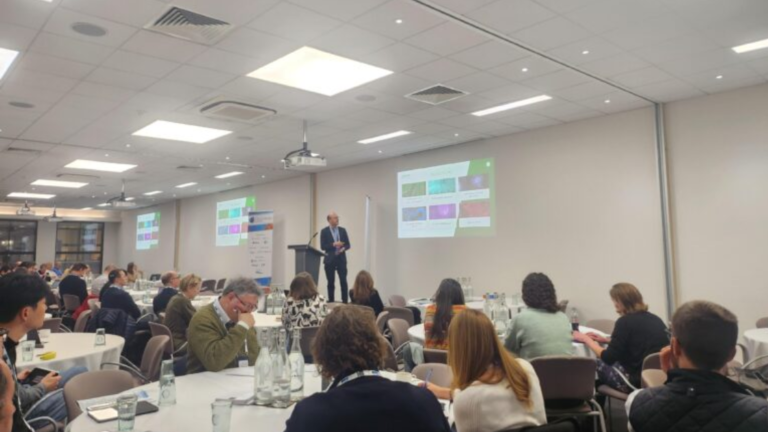
Explore the Agenda
Discover the target selection, drug design and preclinical strategies to identify differentiated targets, optimize next-generation radiopharmaceuticals and build the evidence needed to progress towards the clinic.
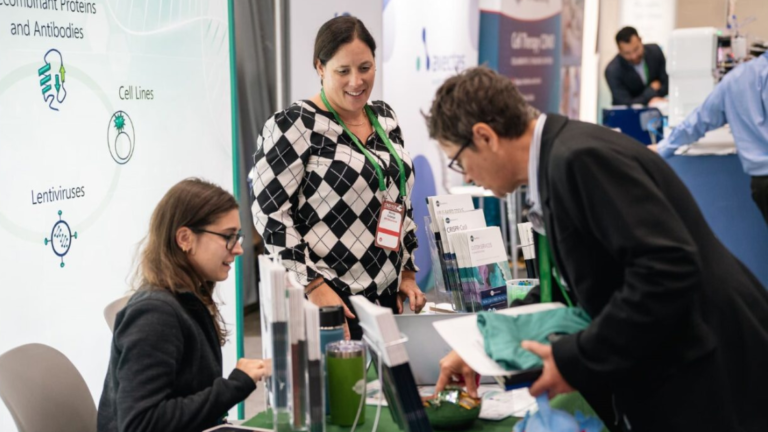
Partner With Us
Position your expertise in front of 100+ discovery and preclinical RLT leaders actively seeking technologies, services and specialist partners across target discovery, drug design, imaging, radiochemistry, preclinical development, dosimetry, and safety.
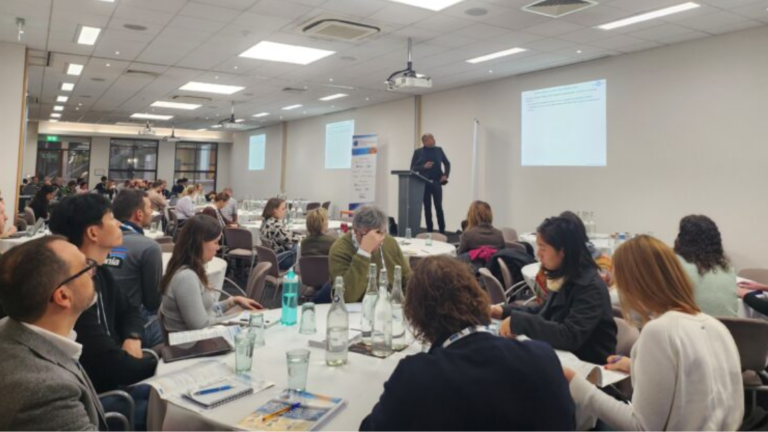
Join RLT Experts
Join 100+ radiochemists, biologists, drug designers, and R&D leaders advancing next-generation radioligand therapies from discovery through translation.